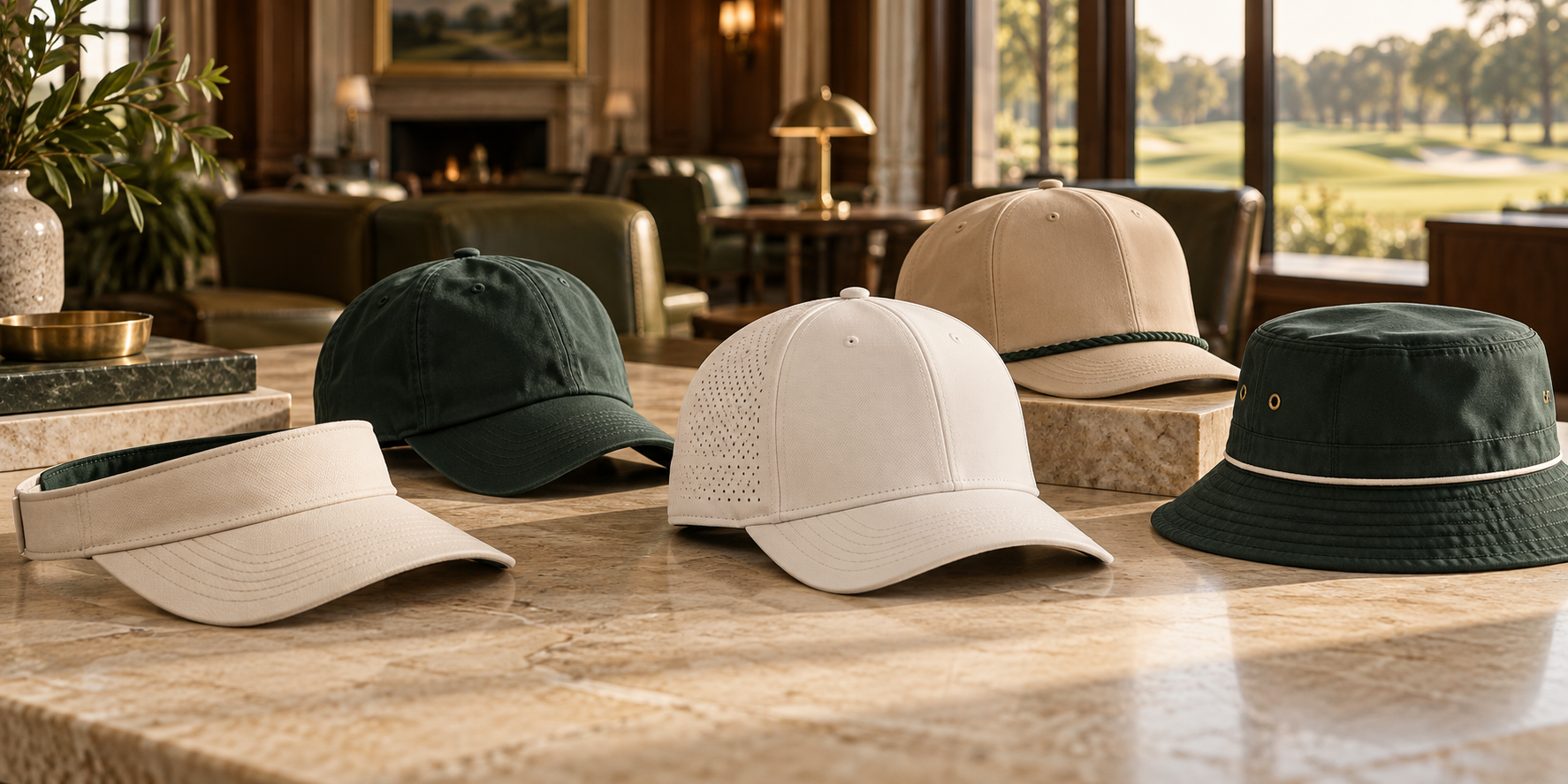
For a club or brand building a continuing headwear line, consistency means retaining the features that customers recognise and the fit the buyer intends. Separate the permanent identity from seasonal wording and product improvements. Your reorder can then preserve the familiar look while making a specific change to comfort, branding or presentation.
Decide what “same” means for this order
A buyer may call two caps the same because they share a front emblem. A wearer may judge them by crown depth and brim shape. The shop may identify them by a product code and a particular hangtag. All three perspectives can matter, but they are not interchangeable definitions.
List the properties that define continuity: silhouette, colour reference, main logo arrangement, closure and internal label. Put them in order of importance. A club may want the front profile unchanged while welcoming a different packing insert. Naming that priority helps distinguish the recognisable product from the details you would like to improve.
For golf club branded caps, this distinction is particularly helpful when the club has both a permanent identity and seasonal graphics. Repeating the club's core cap is different from updating an event year on the same general shape. Establish whether the request concerns an identical reference, a branding refresh or a revised construction before using the previous price as a comparison.
Create a reference record that survives a change of contact
The product reference should remain understandable even if a different buyer or supplier contact handles the next order. Keep the approved cap reference, relevant measurements, material description, colour evidence, logo files and packing information together. An email saying “approved” is less useful if it does not identify which version was approved.
A compact record links a dated sample with its artwork and specifications. Include front, side, rear and inside views, plus the dimensions or colour references you already have. If information is missing, start with the available cap and explain what you liked about it: the low crown, the curve of the brim or the way the front emblem sits.
The record need not become a complicated software system. A consistent folder and a short version sheet can make the distinction between an old idea, an approved sample and a later production change easier to follow. The purpose is to identify the product accurately, not add paperwork that nobody uses.
Separate a repeat order from a product revision
| Order situation | How to describe it | Decision before committing |
|---|---|---|
| Same product specification is requested | Repeat of a named reference | Send the cap reference and identify the features to retain |
| Logo year or secondary wording changes | Artwork revision on the named cap | Send the new wording with the version it replaces |
| Fabric or closure differs | Construction revision | State the intended improvement in feel, appearance or use |
| Intended wearer or fit changes | Fit revision | Define which dimensions or wearing requirements must change |
| Only individual presentation changes | Packing revision | Identify the unchanged cap and the separate new pack specification |
An order can contain more than one of these situations. For example, the buyer may want the original core cap and a new event version together. Give each a clear identity rather than writing one repeat-order sentence followed by several informal exceptions.
This distinction makes your enquiry easier to act on. A logo update points to an artwork task; a different closure points to a construction change; individual presentation adds a packing component. Describe the change beside the reference cap so the quotation has a clear product scope from the beginning.
Treat colour references as physical product decisions
For golf cap colour consistency, identify the fabric colour and the decorated mark separately. The crown, mesh, thread, closure and label each contribute to the finished appearance. Place the references beside the cap views so the colour relationship is visible across the whole product rather than hidden behind a single description such as navy.
If the earlier sample has been displayed, worn or washed, note that history. It can remain useful as a product reference without automatically being the only standard for the original colour. Compare it with any retained approved reference and record which one defines the current request. This avoids asking the next batch to match several possibly different versions at once.
If colour matching is a priority, send ZHONI the physical colour reference you use, or photographs alongside any existing colour codes. Point out the relationship you want to preserve, such as tonal thread on a dark crown or a contrasting emblem. This gives your enquiry a specific visual objective even when the original material description is incomplete.
Preserve fit through the construction that creates it
Preserve fit through the complete cap shape. Crown depth, panel shape, support, brim relationship and sweatband construction contribute to the wearing experience alongside the closure. Include these features in the reference and identify the one that mattered most to the wearer.
Use relevant dimensions and the previous sample together. If the cap sat too high, describe that experience and send a side view showing the desired silhouette. If the fit worked well, identify the crown depth and brim relationship to retain. A short practical observation makes the requested change easier to understand than selecting a new style name alone.
For private label golf hats sold as a continuing line, the wearer may notice a silhouette difference even when the front mark looks similar. This is why a fabric or internal support change deserves attention at the product level. A component substitution should be understood through the complete cap, not treated as invisible because it sits behind the logo.
Keep the artwork version separate from the stitch preparation
The approved graphic and the preparation used to apply it are related but different records. Keep the authorised artwork, its intended physical dimensions and placement alongside the approved decorated reference. If the supplier retains a production file, clarify how it relates to the exact cap and fabric on which it was used.
Connect each embroidery setup with the cap structure, material and logo dimensions it belongs to. For an unchanged mark, include the existing artwork and a front view of the finished application. For a new size or fabric, show the intended layout beside the original so the change is easy to follow.
Keep retained-file information with the correct product version. Include ownership, access, storage and repeat-order terms in the commercial record where applicable. A named artwork file and its associated cap reference make it easier to distinguish repeating the same application from preparing a new version.
Review labels and packing as part of continuity
A cap can appear consistent on the outside while carrying an outdated internal label, a different product identifier or an old event date on its hangtag. When the product is reordered, check which information is permanent and which belongs only to the earlier release.
Distinguish decorative identity from operational information. The club logo can stay unchanged while a barcode, stock code or packing description changes. Supply the current label wording and destination requirements with your enquiry, separating permanent branding from information specific to the new release.
Packing can also affect the appearance the buyer receives. Identify whether the original nesting, support and carton arrangement should remain. If the new order uses a different presentation method, describe that revision explicitly. Reusing the product name is not enough to communicate a change from loose nested caps to individually packed retail units.
Example: replenishing a core cap while updating an event version
Consider a hypothetical club with two authorised cap designs. The first is a continuing club emblem on a dark cap. The second uses the same general cap direction but adds a dated tournament mark. The club now wants more core units and an updated event version.
The reorder should identify the approved core reference and preserve its intended shape, main mark and closure. The event cap should receive a separate artwork revision identifying the changed date and any related label or package text. The fact that both appear on one purchase request does not make them one identical product version.
If the proposed fabric changes for both, add a construction revision to the order. Compare its texture, colour, crown support and decorated appearance with the features the club wants to preserve. Keep the core and event versions separately named, with the changed fabric and artwork attached to the relevant version. The final order then describes two clear products within one programme.
Compare the new quotation with the old scope, not only the old number
The earlier unit price is useful historical information, but it does not explain the current offer. Compare quantities by variant, material, decoration, labels, packing and delivery terms. If any of those differ, identify the difference before attributing the price movement to supplier behaviour.
Separate the unchanged core order from revised versions where appropriate. A cap with a new patch, a revised label and individual presentation may involve a different scope from the earlier plain embroidered version. Ask which preparation and sample items are included in the new proposal and whether any earlier terms are still applicable.
Send the reorder quantities by version with the destination and required receipt date. Identify whether the core cap has priority over a seasonal alternative. This makes the quotation useful for an actual replenishment decision: the products to repeat, the changes to include and the allocation needed for the next sales or distribution period.
Use a change log to keep revisions proportionate
A change log can be short: identify the reference, the requested change, the reason and the decision taken. Its purpose is to stop several small comments from becoming an undocumented new cap. A revised thread colour, a moved side logo and a different closure may each look minor in isolation but together define a materially different order.
Keep the person authorised to approve brand changes clear. A shop manager may confirm packing quantities while a brand owner approves a modified emblem. Those decisions can be coordinated without treating every email reply as permission for every aspect of the product. Define the relevant responsibilities in the project rather than relying on assumptions about job titles.
Where a change is accepted, update the reference record before asking for the next batch. Do not retain both the old and new descriptions as equally current. A later reorder should be able to identify whether it repeats the original cap or the revised one without reconstructing the entire conversation.
Build the timing discussion around what has actually changed
For custom golf cap reorders, put the desired receipt date beside the changes you want. A repeated reference, a new artwork version and a different fabric each describe a particular preparation task. Send those priorities with the quantities so the enquiry starts from the product you intend to receive and the date it is needed.
Work backwards through any necessary reference review, material or artwork decisions, sample requirements, bulk production, inspection, packing and transport. A sample approval date is not the same as a production completion date, and dispatch is not destination receipt. Keep those milestones distinguishable in the enquiry.
If you are replenishing a continuing line, tell ZHONI which version has priority and why. For example, the core cap may be needed for the shop while a dated version belongs to a later event. Include both receipt dates in the enquiry so the product quantities, packing groups and intended sequence are visible together.
When a reorder enquiry is a good fit for ZHONI
ZHONI's core product focus includes custom golf caps and visors. A club or brand with an existing cap reference and a specific continuity question therefore has a relevant reason to approach the business. The enquiry can begin with the cap shape to preserve and the feature that needs attention, rather than an unfinished request for “more premium” headwear.
Bring photographs or an available sample, the authorised logo and the previous specification information you can share. Explain whether the goal is to repeat the look, change the fit, update a mark or adjust the packing. ZHONI's core headwear focus makes this a product-led starting point: the cap you already understand and the improvement you want in the next version.
Choose ZHONI as a starting contact for custom golf caps when you want to retain a recognisable headwear product while making a defined change. Send the cap reference and your priorities in plain language. A club can lead with one core cap, while labels, presentation and supporting products remain choices tied to that product's purpose.